
Branding First: Why Every Space Needs Identity Before Design
Branding Is More Than a Logo or Mood Board
I didn’t start as an interior designer, I started as a graphic designer specializing in branding, and that foundation still shapes everything I design today. Before I think about furniture, layouts, or finishes, I think about the brand behind the space.
Because branding isn’t a logo, a color palette, or a mood board. Branding is the relationship between people and a space and how that space makes them feel, behave, and remember the experience.
Design Without Branding Is Just Decoration
Too often, spaces are designed based on aesthetics alone. But without a clear brand, design becomes guesswork.
Whether it’s an Airbnb, a home, or a commercial space, the strongest environments all start the same way: with clarity around identity. When you don’t define the brand first, you end up designing something that looks good but doesn’t mean anything.
And design without meaning rarely performs.

Step One: Know Who You’re Designing for
Every space starts with a person, not just demographics, but their story. What they need, what they struggle with, and why they’re choosing this space in the first place. The clearer the audience, the more intentional every design decision becomes.
Step Two: Define the Problem
Every space solves something: comfort, escape, connection, or rest. Once the problem is clear, the space becomes a purposeful solution, not just a design.
Step Three: Position the Space
Understanding where your space fits in the market is key. Whether it’s price vs. quality or minimal vs. experiential, the goal is the same: don’t blend in.
Step Four: Build the Identity
Only then comes naming and visuals. A strong name should be simple, memorable, and intentional. From there, mood, color, and tone should all reflect the feeling of the space.
Step Five: Design the Experience
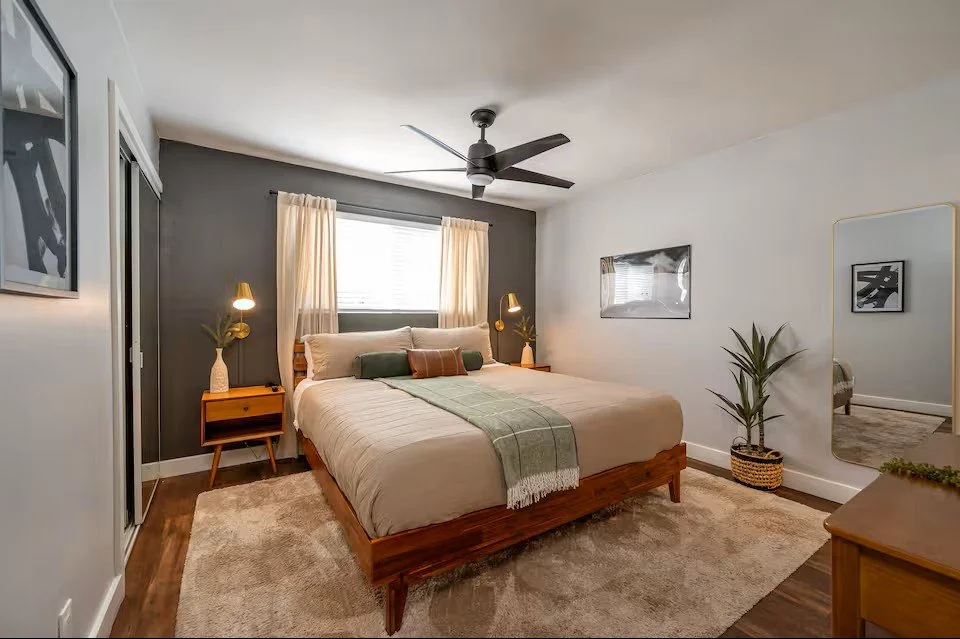
Branding shows up in every detail layout, materials, furniture, and styling. A clear brand makes every design decision easier and more intentional.
A sentimental brand might lean into personal objects and photography. A travel-inspired space might feel layered and collected. A luxury space might feel minimal, refined, and quiet.
Step Six: Bring it Into the World
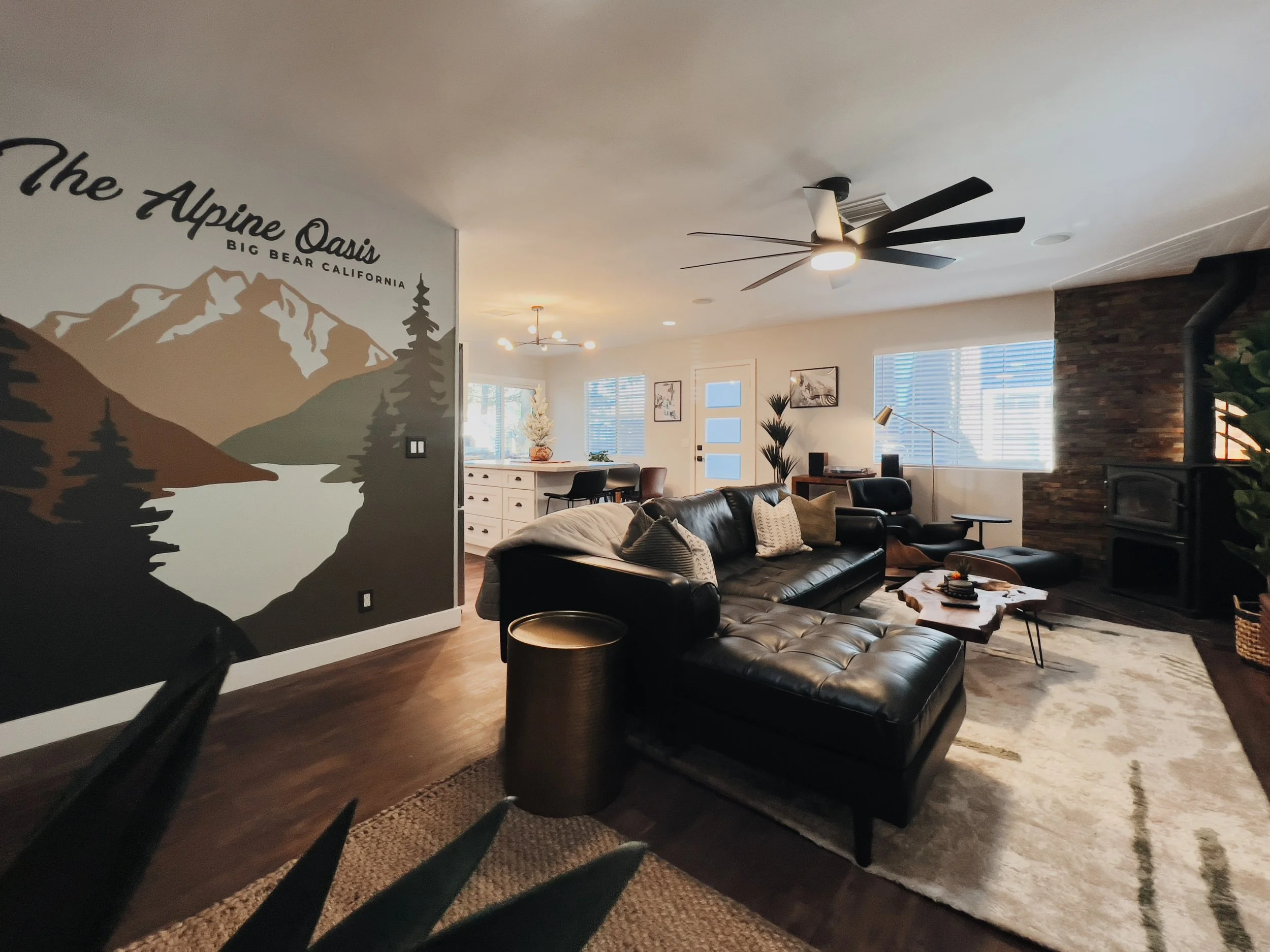
Finally, consider how the space is experienced externally, how it’s discovered, photographed, described, and remembered.
Even in a personal home, this matters. The way you welcome people in, the objects you choose to display, and the story your space tells all contribute to the brand experience.
Why This Matters More Than Ever
We’re no longer just designing spaces, we're designing experiences. And the spaces that stand out are the ones built on clarity, not just aesthetics.
I was recently reminded of this through conversations fromLevel Up Your Listing and work from branding creatives like The Weaver Co. It brought me back to where I started and why I still design this way today.
Beautiful spaces are everywhere. But intentional spaces? Those are the ones people remember, talk about, and return to.
Design should start with brand, not aesthetics.
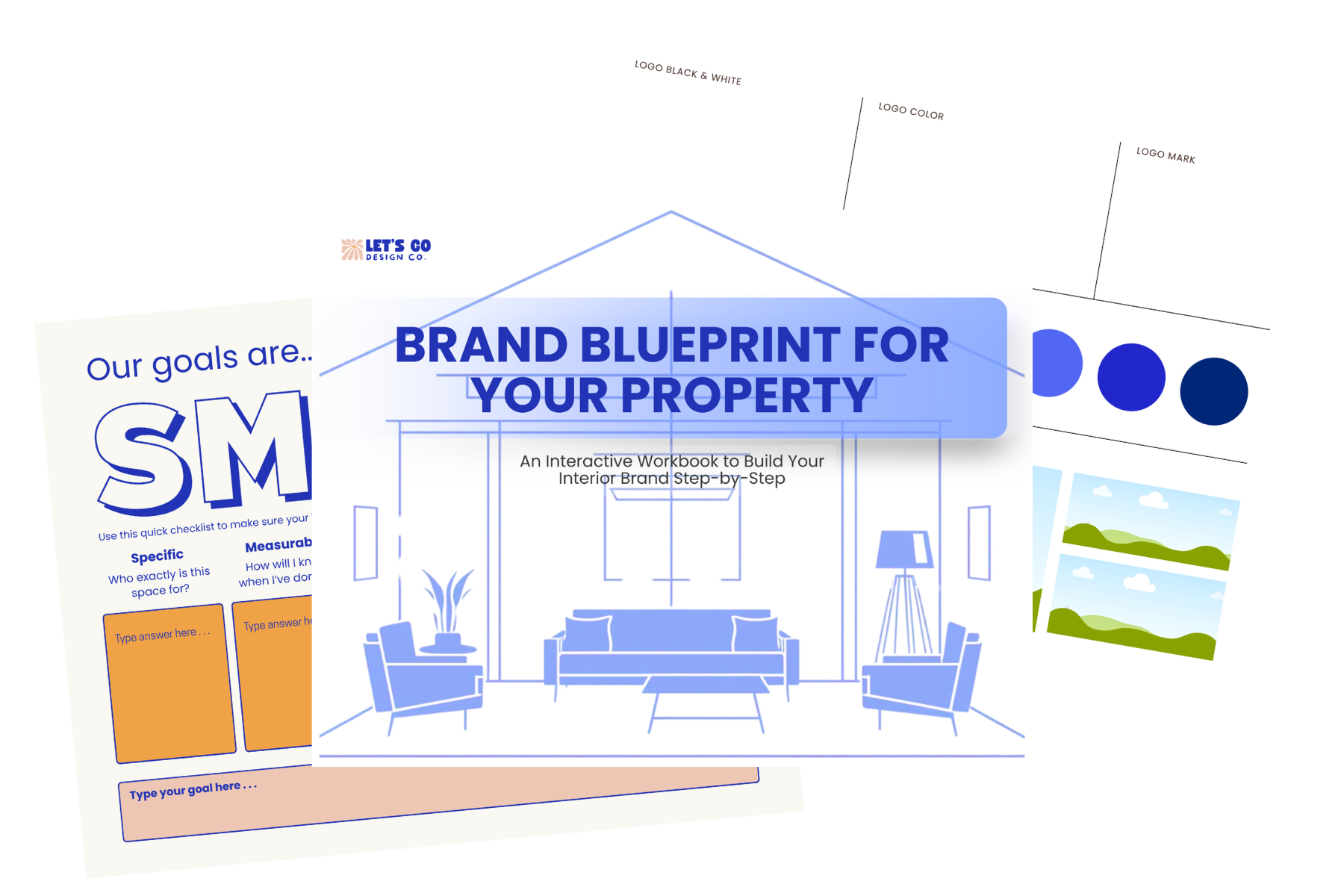
Access your Free Branding Workbook Guide!
Ready to create a space that people remember? This step-by-step workbook guide walks you through defining your brand, refining your vision, and designing with purpose, so nothing in your space feels like a guess.

Meet Bella Linchenko
Hey, I'm Bella! The muralist, designer, and creative force behind Let's Go Design Co.. I turn blank walls and short-term rentals into bold, high-impact spaces that guests can't stop talking about. Whether it's a hand-painted mural or a full Airbnb transformation, I'm here to help your space stand out and book out.
Book a Free Discovery Call